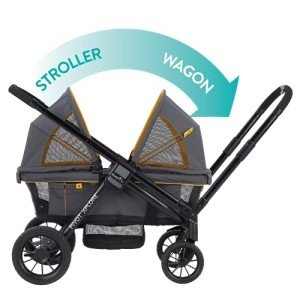
Exploring the Versatility of Three-Wheel Buggies
When it pertains to mobility, three-wheel buggies have actually taken their niche in a world controlled by standard four-wheeled alternatives. Three Wheeler Prams integrate practicality with intrigue, interesting a broad series of users, including households, outdoor lovers, and people with specific movement requirements. This post digs into the lots of elements of three-wheel buggies, highlighting their benefits, features, types, and even responding to some typically asked questions.
Understanding the Three-Wheel Buggy
Three-wheel buggies, frequently described as trikes or tricycles, come geared up with a single front wheel and two rear wheels. This design provides improved stability and maneuverability, making them an attractive option for various applications. These buggies are versatile, catering to both recreational and functional uses, from carrying children in a safe and enjoyable way to acting as strong buddies on rugged terrains.
Key Features of Three-Wheel Buggies
The allure of three-wheel buggies depends on their remarkable style and practical features. Here is a table summarizing the key features of these buggies:
| Feature | Description |
|---|---|
| Stability | The large wheelbase provides exceptional balance on unequal surfaces. |
| Maneuverability | Simpler to browse tight areas compared to traditional four-wheelers. |
| Storage Options | Many models include baskets or compartments for carrying products. |
| Security Features | Geared up with seat belts, reflectors, and even headrests for included security. |
| Customization | Users can discover a variety of add-ons like canopies, storage compartments, and back-rests. |
| Surface Compatibility | Appropriate for sandy beaches, uneven trails, and even city streets. |
| User-Friendly Design | The open design allows for simple entry and exit, making it ideal for different mobility levels. |
The Benefits of Using a Three-Wheel Buggy
Three-wheel buggies present a selection of benefits that make them a go-to choice for lots of users. Below is a list of the considerable benefits:
- Enhanced Stability: The design of three-wheelers ensures better stability, decreasing the danger of tip-overs whether on flat surfaces or unequal surfaces.
- Easy Handling: Thanks to their lightweight construction, these buggies are simple to steer, making them fantastic for city driving or navigating through parks.
- Increased Comfort: Many buggies are developed with comfortable seating and ergonomic functions, ensuring an enjoyable experience for guests and chauffeurs alike.
- Eco-Friendly Option: Pedal-powered buggies use a sustainable alternative to automobile, promoting workout and minimizing carbon footprints.
- Family-Friendly: With alternatives to safely carry several passengers, three-wheel buggies are a practical option for household trips.
Kinds Of Three-Wheel Buggies
Three-wheel buggies come in numerous types tailored to meet the needs of various users. Here's a brief summary of some popular types:
| Type | Ideal For |
|---|---|
| Leisure Trikes | Households and casual riders searching for leisure. |
| Freight Trikes | Organizations or customers requiring to carry items. |
| Adaptive Trikes | Individuals with specials needs who need specific features. |
| Electric Trikes | Those seeking a powered alternative for much easier navigation. |
| Folding Trikes | Users with limited storage area looking for benefit. |
Real-World Applications of Three-Wheel Buggies
The adaptability of three-wheel buggies extends across various domains, often tailored to the needs of particular user bases. Here are some real-world applications:
- Family Outings: Perfect for a day in the park, three-wheel buggies can securely transfer children while enabling moms and dads to enjoy the ride.
- Delivery Services: Small organizations often use cargo trikes for environmentally friendly regional shipments, gaining from their maneuverability in city environments.
- Rehabilitation and Therapy: Adaptive trikes are widely used in therapy settings to aid individuals with mobility challenges, promoting physical activity.
- Cycling Events: Enthusiasts get involved in cycling events using electrical trikes, delighting in the adventure while gaining from assistive innovation.
- Rural Exploration: Adventurers and explorers take to rugged trails on strong three-wheel buggies, taking pleasure in the obstacles of nature in style.
Frequently Asked Questions About Three-Wheel Buggies
1. What is the weight limit for three-wheel buggies?
- Most three-wheel buggies have a weight limit ranging from 200 to 400 pounds. However, it is best to check particular models for exact limitations.
2. Are three-wheel buggies safe for children?
- Yes, numerous models come geared up with security features, including seat belts and canopies, ensuring security for more youthful riders.
3. Do three-wheel buggies need a license to operate?
- Normally, non-motorized three-wheel buggies do not require a license. However, it is suggested to inspect regional regulations for particular requirements.
4. Can three-wheel buggies be personalized?
- Absolutely! Numerous producers use a variety of modification options for comfort and performance, including various seating arrangements and storage services.
5. Are electrical three-wheel buggies offered?
- Yes, there are various designs of electric three-wheel buggies offered, offering ease of use and extended range for users.
Three-wheel buggies are more than just wacky alternatives; they are functional and useful cars that accommodate a broad audience. Their stability, simple handling, and numerous applications make them perfect for families, companies, and individuals with varied movement needs. As more individuals welcome the adaptability of these distinct automobiles, the future of transportation continues to evolve, embracing the environmentally friendly spirit of performance and sustainability. Whether for fun, organization, or ease of access, there's a three-wheel buggy matched to satisfy the needs of every rider.